
How Miami—through the GMCVB, Wynwood, and the Miami Beach Convention Center—built a multicultural ecosystem of experiences, and the lessons it offers for brands across Latin America.
The mistake most cities—and brands—make
For years, many cities have competed to attract tourists, events, and investment using the same playbook: more attractions, more advertising, more visibility. But the world’s leading hubs chose a different path.
They stopped operating as places where experiences simply happen and instead became systems that connect those experiences. That shift changed everything.
Today, Miami is the second most active venture capital hub in the United States and welcomes more than 24 million international visitors each year. But those numbers do not explain its relevance—they are the result of it. What made them possible was a deliberate strategic decision: to stop promoting individual attractions and instead design an ecosystem where every experience naturally leads to the next. Sutton Planning
For B2B brands operating across multiple Latin American markets, this has a direct implication: the question is not how many activations you are executing. The real question is whether those activations are connected in a way that keeps people moving through your brand’s ecosystem.
GMCVB: From Fragmented Promotion to a Connected Ecosystem
The Greater Miami Convention & Visitors Bureau faced a common paradox: the more it promoted each attraction individually, the more fragmented the city's overall experience became.
Its response was structural, not communicational. Instead of creating more campaigns, it redesigned the logic behind how Miami is presented—grouping experiences around specific interests such as art, gastronomy, wellness, cultural diversity, and sports, while building pathways that connect multiple activities into a single journey.
The result was not just greater visibility. It was greater retention: visitors extend their stay because there is always a next step within the ecosystem.
For Trade Marketing and brand teams across LATAM, the lesson is straightforward: an activation without continuity is a moment. An activation with continuity is a relationship. And relationships retain—moments do not.
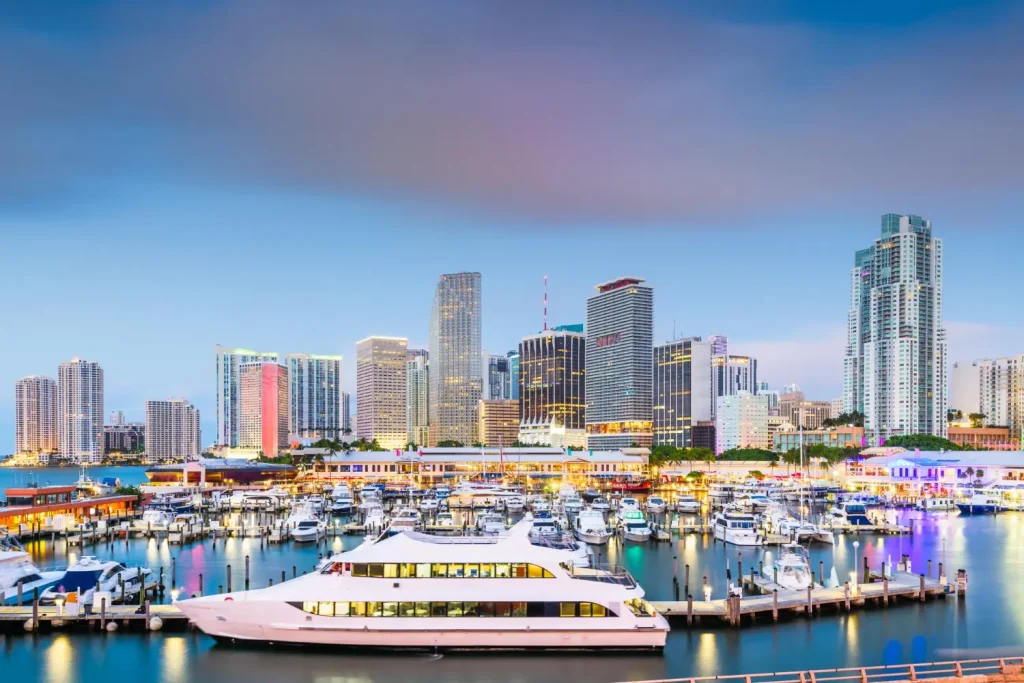
Miami Beach Convention Center: the venue that became a catalyst
The Miami Beach Convention Center made a decision that few venues in the world have replicated: it redefined its role.
Instead of operating as a container for events—a space that fills up and empties out—it integrated its operations with hotels, restaurants, cultural spaces, and local activities so that every congress or trade show functions as an economic catalyst for the entire city.
The experience does not end when you leave the venue. It continues. And that is what turns an event into a reason to return.
The POSSIBLE Miami 2026 conference projects more than 5,400 attendees over three days—with 66% of participants at VP level or above, representing 44 countries. That level of attendance is not explained by the program alone—it is explained by the city ecosystem that surrounds it. Hosts Global
For an event director or Trade Marketing leader designing corporate conferences in LATAM, this is the question worth asking: does the event end when the lights go out, or does the destination continue working for the brand afterward?
Wynwood: when art becomes economic infrastructure
Wynwood is perhaps the most widely studied case because its transformation is both visible and well documented. The district has solidified its status as a legitimate hub for social commerce and corporate networking in 2026, with technology and creative companies migrating from Brickell’s towers into its blocks of urban art. timeout
But what made that transformation possible was not urban art itself. It was the decision not to stop at it. The combination of galleries, murals, independent retail, dining, entertainment, and a constant stream of programmed events created an ecosystem in which each business strengthens the next.
Wynwood does not offer a single reason to visit. It offers reasons that multiply with every return.
Global creative agencies such as David—founded in 2012 and one of the first to establish itself in Wynwood—have built work from there for Google, Coca-Cola, and Budweiser, turning the district into a globally relevant creative hub. yahoo
The pattern that connects all three cases—and what it means for your strategy
What connects GMCVB, the Convention Center, and Wynwood is not sector or budget. It is a shared logic: designing deliberate connections between touchpoints so that people continue moving through the ecosystem rather than exiting it.
From Penta’s perspective, there is a particularly relevant lesson for multicultural brands operating across LATAM: consumers do not experience territories or brands in fragments. They move between communities, channels, interests, and cultures as part of a single journey.
A brand that understands that movement and designs to accompany it does not need to compete for attention at every touchpoint—it is already part of the journey.
Latin America is once again fertile ground for growth, innovation, and communication—especially for companies seeking real, sustainable impact. The brands gaining ground in the region are not necessarily those with the largest activation budgets. They are the ones designing experience ecosystems that connect each touchpoint to the next. businesswire
The real shift is not moving from a city to a platform. It is moving from isolated actions to ecosystems designed to generate momentum.
Is your brand creating individual experiences—or building routes that connect people to something larger?
Let’s talk at PentaMarketingAgency.com