
While the world drowns in infinite scroll and digital fatigue, the brands that are winning are no longer competing for impressions—they are competing for moments that change people. A data-driven analysis based on the latest industry insights.
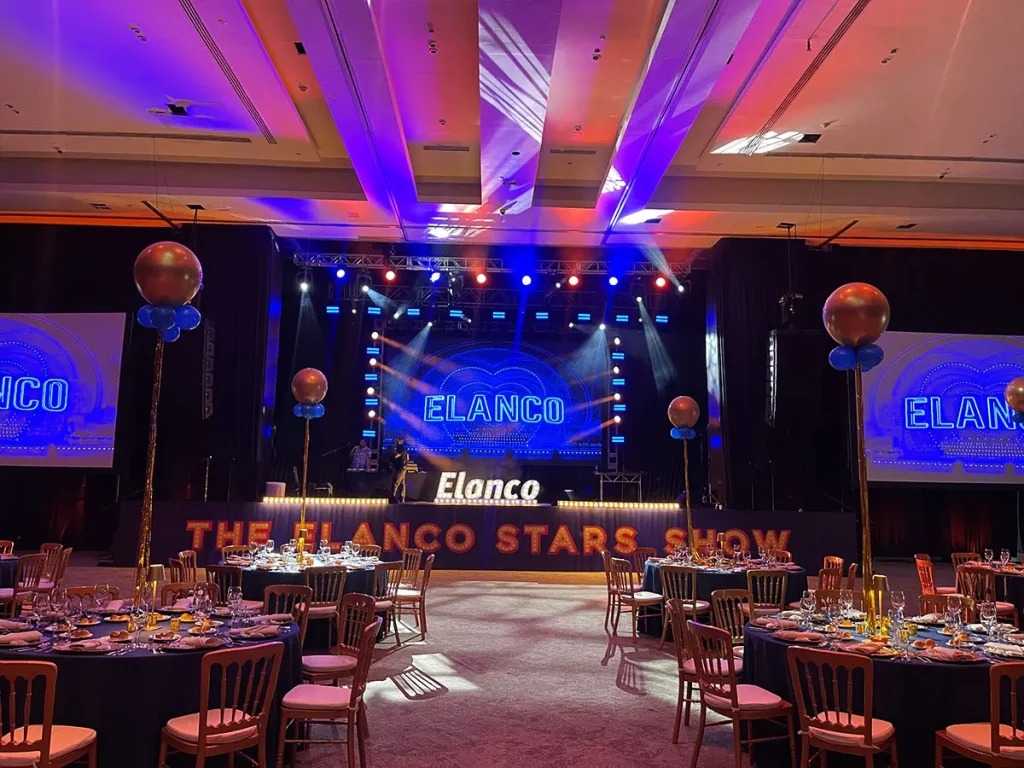
The data point reshaping the landscape
In 2026, experiential marketing has evolved from just another budget line into the backbone of brand strategy. According to EventTrack 2026 -the industry’s most comprehensive annual study, produced by Event Marketer in partnership with Sparks and based on insights from over 1,000 Fortune 1000 marketers- 84% of consumer marketers will increase their investment in events in 2026, with one-third reporting budget increases ranging from 8% to 15%.
En el universo B2B, la cifra es aún más reveladora: 86% de los marketers B2B planea incrementar el gasto en eventos, incluso mientras el presupuesto general de marketing B2B disminuye. derseKande.
The reason is compelling. While a digital ad fights for two seconds of attention before being forgotten, a well-designed experience generates returns that last for months. Experiential campaigns deliver ROI between 3:1 and 5:1, with high-performing activations reaching up to 10:1. And according to EventTrack 2026 findings, 61% of consumers are more likely to purchase after attending a brand event.
But the data point that best captures this paradigm shift comes from The Future 100: 2026 by VML, one of the world’s most influential trend reports: 87% of global consumers agree that the best experiences leave them feeling transformed.
Welcome to what VML calls the Transformation Economy: consumers are demanding events that act as catalysts for deep personal change, moving far beyond simple entertainment.